🐾 Quick History
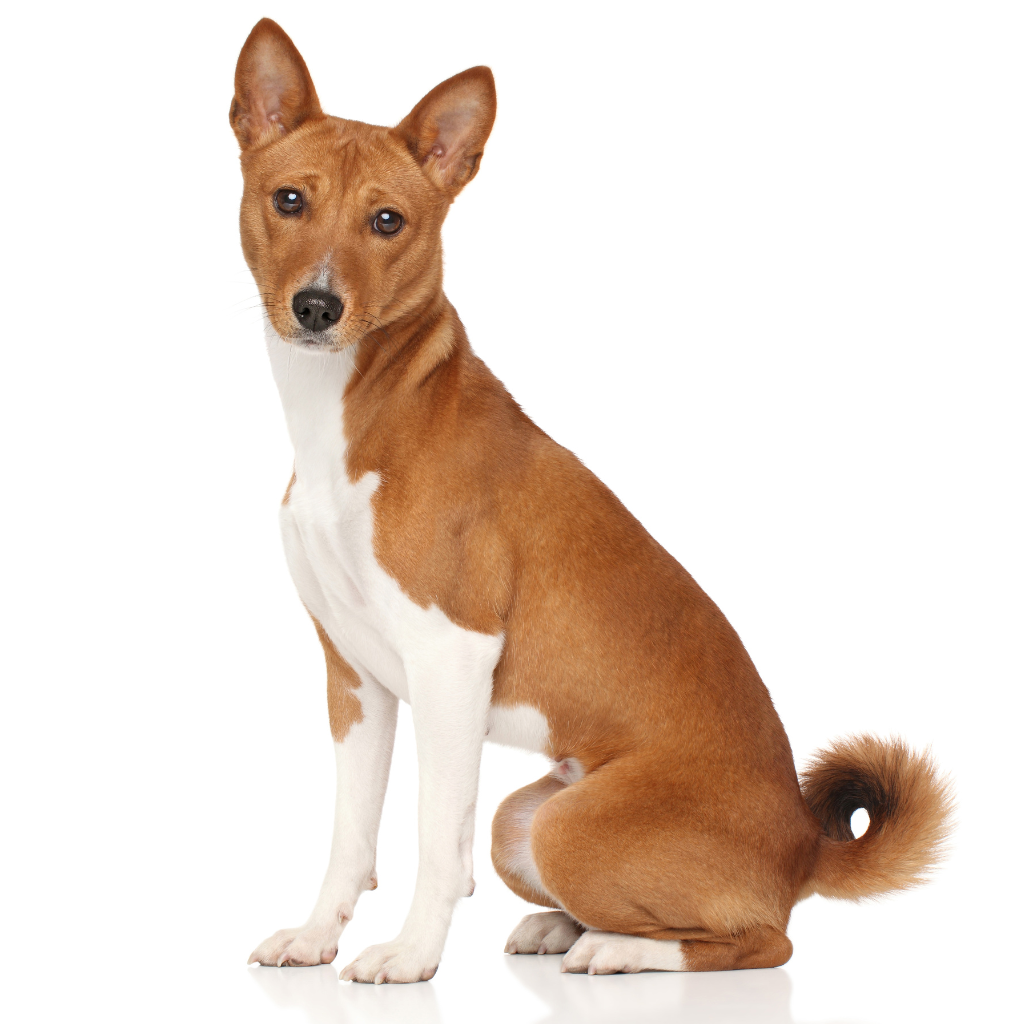
The Basenji, also known as the Congo Terrier or Nyam-Nyam Terrier, is an ancient breed originating from Central Africa. Used by African tribes for hunting and guarding, it is known for its exceptional abilities and independent temperament. The Basenji is often called the "dog that does not bark" due to its inability to produce a classic bark, although it communicates through unique sounds called yodels. The first Basenjis arrived in Europe in the early 20th century and won over dog lovers with their elegance and distinct personality.
🐕 Breed Profile
The Basenji is a small, elegant, and muscular dog with short, shiny fur. Its refined appearance and proud head carriage resemble those of ancient dogs. Its independent personality and need for activity make it a fascinating but demanding companion.
🔍 In Brief
- Hypoallergenic: No
- Weight: 9-12 kg
- Height: 40-43 cm
- Lifespan: 13-15 years
- Physical exercise needs: 1 to 1.5 hours per day
❤️ Personality & Compatibility
- Intelligent: ⭐⭐⭐⭐☆
- Affectionate: ⭐⭐⭐☆☆
- Protective: ⭐⭐☆☆☆
- Playful: ⭐⭐⭐⭐☆
- Vocalizations: ⭐☆☆☆☆
- Obedient: ⭐⭐☆☆☆
- Hunter: ⭐⭐⭐⭐⭐
- Calm: ⭐⭐⭐⭐☆
- Athletic: ⭐⭐⭐⭐☆
- Independent: ⭐⭐⭐⭐☆
Compatibility:
- With children: ⭐⭐⭐☆☆ (ideal for respectful and calm children)
- With animals: ⭐⭐☆☆☆ (high hunting instinct, caution with small animals)
- With strangers: ⭐⭐⭐☆☆
- In an apartment: ⭐⭐⭐⭐☆ (suitable, provided it gets enough exercise)
> Good to know: The Basenji is an independent and reserved dog that can be wary of strangers. It is best to socialize it from a young age. It can be stubborn and requires gentle but firm training.
🛠 Hygiene & care
- Maintenance difficulty: ⭐☆☆☆☆
- Maintenance cost: ⭐⭐☆☆☆
- Maintenance frequency: ⭐☆☆☆☆
💰 Budget
- Purchase price: 800 to 1500 €
- Average annual cost: 500 to 900 € (veterinarian, accessories, food)
💡 Fun fact: The Basenji is one of the few breeds that does not have a strong "dog smell," making it a popular choice for owners sensitive to odors!
👉 Caution: Its curious nature and hunting instinct can make it prone to escaping.